

As a dog owner, noticing dog eye discharge can be concerning. Whether it’s a slight wetness in the corner of the eye or a more noticeable buildup of goopy eyes, understanding the cause of this discharge is essential for your dog’s health. Eye discharge in dogs can range from normal and temporary to a sign of a more serious issue. If you’re wondering why my dog has goopy eyes, this blog will help you understand the causes, types of discharge, potential eye conditions, and when to consult a vet.
Common Causes of Dog Eye Discharge
There are many potential reasons your dog may be experiencing eye discharge, and the type of discharge—whether it’s watery discharge, green or yellow discharge, or mucous—can often point to specific underlying causes.
1. Normal Tear Production
Normal tear production is the most common and least concerning cause of eye discharge in dogs. Tears are essential for keeping the surface of your dog’s eyes moist and free from debris. Typically, the tear glands secrete tears that wash away dust, dirt, and dead cells, and these tears drain through the tear duct into the nose. However, if your dog’s tear production increases or there is an issue with the tear duct, the tears may not drain properly, leading to watery eyes or eye discharge.
If the amount of discharge is minimal, clear, and goes away after wiping, it is often just a natural buildup of tear production. However, if the discharge persists, it could indicate a more serious condition.
2. Blocked Tear Ducts
 If your dog has a blocked tear duct, tears cannot drain properly, leading to excessive eye watering. This often results in watery or goopy eyes that appear sticky or crusty, particularly in the inner corner. Anatomical abnormalities, injury, or scar tissue buildup can cause blocked tear ducts. It’s common for certain breeds with prominent or bulging eyes, like Boston Terriers or Brachycephalic breeds, to experience this condition more frequently.
A veterinary professional can often treat blocked tear ducts by performing a procedure to clear the duct or recommend specific treatments to help relieve the condition.
3. Allergic Conjunctivitis
Allergic conjunctivitis occurs when your dog’s immune system attacks harmless particles, such as dust mites, pollen, or environmental irritants. This causes inflammation in the eye’s surface and can lead to watery eye discharge or green discharge. Allergic reactions can cause the eye to become red, swollen, and itchy, and your dog may scratch or rub its eyes with its paws.
In some cases, the green or yellow discharge could also indicate a secondary infection, like bacterial conjunctivitis, caused by the inflammation.
4. Eye Infection (Conjunctivitis)
Eye infections in dogs, including bacterial conjunctivitis, are common causes of green or yellow discharge. Bacterial infections can result from foreign material entering the eye or a foreign body irritating. The infection leads to swelling, redness, and pus-like discharge. If the discharge is green or yellow, it is often a sign of bacterial infection.
Infection in the eye can cause significant eye pain, and if left untreated, it can lead to complications like corneal ulcers or further damage to the eye’s surface. Your dog may also experience squinting, excessive blinking, and eye rubbing.
5. Dry Eye (Keratoconjunctivitis Sicca)
Dry eye is a condition with insufficient tear production to moisten the eye’s surface. This can lead to eye discharge due to the body trying to compensate for the lack of tears. If your dog is not producing enough tears, you may notice yellow eye discharge or watery discharge, often accompanied by redness, irritation, and eye pain.
Dry eye can be diagnosed through a Schirmer tear test, a simple test done by a veterinary professional that measures the amount of moisture produced by the tear glands. Treatment for dry eye often includes medications like artificial tears and other therapies to help stimulate tear production.
6. Corneal Ulcers
Corneal ulcers, or wounds on the eye’s surface, can result from trauma, infection, or dry eye. These ulcers can be incredibly painful and often cause excessive tearing or watery eye discharge. In addition to the discharge, you may notice your dog squinting or holding its eye closed.
If your dog has a corneal ulcer, prompt treatment is necessary to avoid permanent damage to the eye. A veterinarian may prescribe topical medication or recommend further treatments to speed healing and relieve pain.
7. Foreign Bodies in the Eye
When a foreign body, such as dust, dirt, or a small piece of plant material, enters your dog’s eye, it can cause irritation and watery eyes. If the foreign material is not removed, it can lead to an eye infection and discharge. In these cases, your dog may also exhibit excessive blinking, pawing at the eye, and signs of discomfort.
A quick examination by a veterinary professional can determine if a foreign body is the cause of the eye discharge. The veterinarian will then remove the object and may prescribe antibiotics to prevent infection.
8. Cherry Eye
Cherry eye is a condition where the third eyelid (also known as the nictitating membrane) becomes inflamed and protrudes from the inner corner of the eye. This condition can cause watery eye discharge and discomfort, making the eye look red or swollen. Cherry eye is common in certain breeds, like Bulldogs and Cocker Spaniels, and it typically requires surgical intervention to reposition or remove the affected gland.
9. Pink Eye (Conjunctivitis)
Pink eye is another common cause of eye discharge in dogs, often caused by an infection or an allergic reaction. Bacterial conjunctivitis can lead to yellow or green discharge, redness, swelling, and discomfort. Your dog may also have watery discharge, and in some cases, the eye may become cloudy or develop a reddish-brown discoloration near the inner corner of the eye.
Pink eye can be highly contagious, so it’s important to consult with a veterinary professional to determine the underlying cause and begin appropriate treatment.
When Should You Be Concerned About Dog Eye Discharge?
In most cases, dog eye discharge is temporary and can be treated with simple remedies like warm water or wiping away the discharge with a cotton ball. However, there are instances when eye discharge in dogs should not be ignored, and veterinary attention is necessary. Here’s when you should consult with a vet:
- Green or yellow discharge that persists for more than a day or two
- Excessive tearing or watery eyes that don’t improve
- Eye pain, squinting, or rubbing the eyes
- Cloudy eyes or a bulging eye
- Redness or swelling of the eye
- Changes in your dog’s behavior, such as increased irritability or pawing at the face
- Chronic eye discharge or symptoms that return regularly
If your dog is experiencing any of these symptoms, it’s important to have their eyes checked by a veterinary professional to determine the underlying cause and begin appropriate treatment.
Preventing Eye Discharge in Dogs
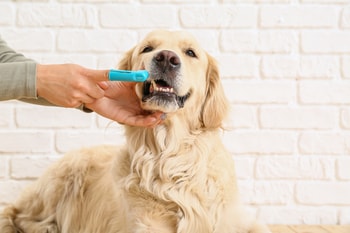 While some causes of eye discharge in dogs are unavoidable, there are steps you can take to help prevent eye problems:
- Regular Eye Cleaning: Gently wipe away eye discharge with a damp cloth or cotton ball to prevent buildup. Regular cleaning helps remove debris and keeps the eyes comfortable.
- Monitor for Allergens: If your dog is prone to allergic conjunctivitis, minimize exposure to common allergens like pollen or dust mites. Keep your home clean and reduce your dog’s exposure to irritants.
- Ensure Proper Hydration: Adequate hydration supports your dog’s tear production and can help prevent dry eye.
- Vet Check-ups: Regular veterinary visits can help detect any underlying health conditions that may lead to eye problems.
- Protect from Foreign Bodies: Keep your dog away from areas where foreign materials like dust or plant matter could irritate the eyes.
Conclusion
If you’ve been asking, Why does my dog have goopy eyes?, it’s likely due to one of several common conditions, ranging from simple tear duct issues to more serious infections or injuries. Understanding the type of eye discharge, its consistency, and accompanying symptoms can help you determine whether your dog needs veterinary care. While some discharge is normal, persistent or unusual eye discharge in dogs warrants attention to avoid further complications and ensure your dog’s comfort. Always consult a veterinarian if you’re unsure about the cause of your dog’s eye discharge.
References
https://vcahospitals.com/know-your-pet/conjunctivitis-in-dogs
https://www.petmd.com/dog/general-health/evr_dg_eye_problems_in_dogs
https://www.webmd.com/pets/dogs/dog-discharge-from-eye


